Welcome to the official website of Jinan Qinzhou Bearing Co., Ltd.
Email:jnds@arjgbearing.com Email:nskkoyo@fryzc.com

25
2025
-
12
Unlocking the Benefits of Advanced Spherical Roller Bearings in Industrial Equipment
Unlocking the Benefits of Advanced Spherical Roller Bearings in Industrial Equipment Table of Contents Introduction to Spherical Roller Bearings What Are Spherical Roller Bearings? Key Benefits of Spherical Roller Bearings in Industrial Applications Applications of Spherical Roller Bearings in Industrial Equipment Maintenance and Care for Optimal Performance How to Choose the Right Sp
Unlocking the Benefits of Advanced Spherical Roller Bearings in Industrial Equipment
Table of Contents
- Introduction to Spherical Roller Bearings
- What Are Spherical Roller Bearings?
- Key Benefits of Spherical Roller Bearings in Industrial Applications
- Applications of Spherical Roller Bearings in Industrial Equipment
- Maintenance and Care for Optimal Performance
- How to Choose the Right Spherical Roller Bearing
- The Future of Spherical Roller Bearings in Industry
- Conclusion
- Frequently Asked Questions
Introduction to Spherical Roller Bearings
In the world of industrial equipment, efficiency and reliability are paramount. **Spherical roller bearings** have emerged as a pivotal component that enhances performance in various applications. These bearings are designed to accommodate misalignment and heavy radial loads, making them ideal for a range of industrial settings. This article will delve into the intricate details of spherical roller bearings, highlighting their numerous advantages, applications, and maintenance strategies.
What Are Spherical Roller Bearings?
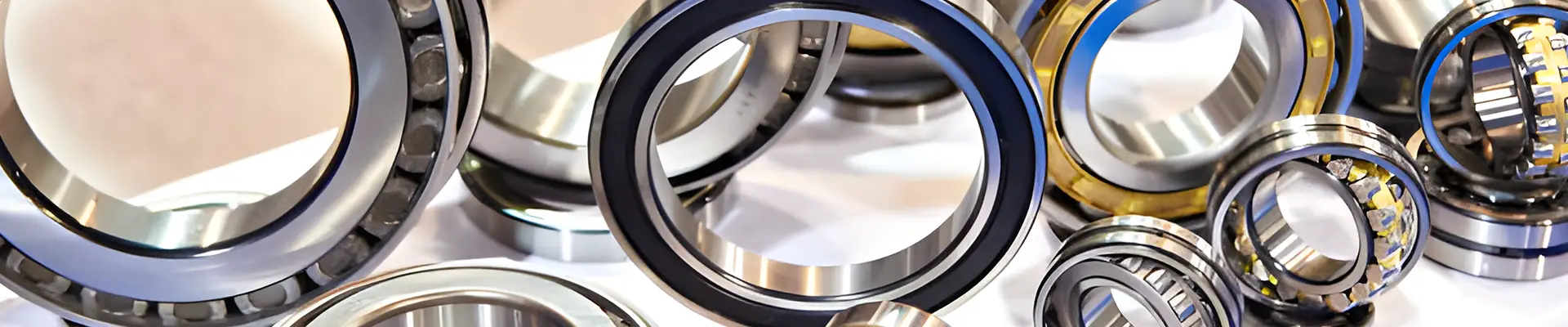
**Spherical roller bearings** are a type of rolling-element bearing that can support both radial and axial loads. They consist of an inner ring, an outer ring, and a set of spherical rollers, allowing for self-alignment. This unique design enables the bearings to handle misalignments caused by shaft deflections or mounting errors, which is a common challenge in industrial machinery.
These bearings are characterized by their ability to operate under high radial loads while permitting a certain degree of angular misalignment. This capability makes them particularly valuable in heavy machinery applications, where precision and durability are critical.
Key Benefits of Spherical Roller Bearings in Industrial Applications
**Spherical roller bearings** offer several benefits that greatly enhance the performance of industrial equipment:
1. High Load Capacity
One of the primary advantages of spherical roller bearings is their ability to handle high radial loads. This makes them suitable for heavy-duty applications such as wind turbines, cranes, and mining equipment, where the equipment must withstand significant stresses.
2. Misalignment Tolerance
The self-aligning nature of spherical roller bearings allows them to accommodate misalignment effectively. This flexibility reduces the risk of premature wear and failure, leading to increased operational reliability.
3. Durability and Longevity
Manufactured from high-quality materials, these bearings are designed to endure harsh operating conditions. Their robust construction helps to prolong service life, thus reducing maintenance costs and downtime.
4. Reduced Friction
Spherical roller bearings are engineered to minimize friction during operation. This reduction not only enhances efficiency but also contributes to lower energy consumption, making them an eco-friendly choice for industrial applications.
5. Versatility
These bearings can be utilized in a vast array of applications, ranging from automotive to heavy machinery. Their versatility makes them a go-to choice for engineers and manufacturers alike.
Applications of Spherical Roller Bearings in Industrial Equipment
Spherical roller bearings find applications in numerous sectors, showcasing their adaptability and effectiveness.
1. Mining and Construction Equipment
In the mining and construction industries, heavy machinery such as excavators and bulldozers rely on spherical roller bearings to support their operations. These bearings can withstand extreme loads and harsh environments, ensuring the machines run smoothly.
2. Agricultural Machinery
In agriculture, equipment like tractors and harvesters benefit greatly from the reliability of spherical roller bearings. These bearings help maintain the efficiency of operations, even in rugged terrains.
3. Wind Turbines
Wind energy is a rapidly growing sector, and spherical roller bearings are crucial in wind turbine designs. They allow for the necessary movement and adjustments while handling the heavy loads associated with energy production.
4. Aerospace Applications
The aerospace industry demands high-performance components, and spherical roller bearings are no exception. Their ability to operate under extreme conditions makes them ideal for use in aircraft engines and landing gear.
5. Marine Equipment
In marine applications, spherical roller bearings are used in propeller shafts and rudder systems. Their resistance to corrosion and ability to operate in variable conditions make them essential for maritime equipment.
Maintenance and Care for Optimal Performance
To maximize the lifespan and efficiency of spherical roller bearings, proper maintenance is crucial. Here are some essential tips:
1. Regular Inspections
Conduct periodic inspections to identify any signs of wear, damage, or misalignment. Early detection can prevent costly repairs and enhance safety.
2. Lubrication
Proper lubrication is vital for reducing friction and wear. Use the manufacturer-recommended lubricants and establish a regular lubrication schedule based on operating conditions.
3. Monitor Operating Temperatures
High operating temperatures can indicate underlying issues. Monitoring these temperatures can help identify potential failures before they occur.
4. Proper Installation
Ensure that spherical roller bearings are installed correctly according to manufacturer specifications. Improper installation can lead to premature failure.
5. Keep Bearings Clean
Dirt and contaminants can significantly impact bearing performance. Keeping the bearings clean and free from debris will help maintain their operational integrity.
How to Choose the Right Spherical Roller Bearing
Selecting the right spherical roller bearing for your application involves several considerations:
1. Load Requirements
Determine the load capacity needed for your specific application. Assess both radial and axial loads to select a bearing that can handle your equipment's demands.
2. Operating Conditions
Consider the environmental factors such as temperature, humidity, and exposure to contaminants. These elements will influence the bearing's performance and longevity.
3. Size and Fit
Review the available space for installation and select a bearing size that fits correctly. Proper fit is essential to prevent misalignment and ensure optimal performance.
4. Material Selection
Choose bearings made from high-quality materials that can withstand the operating conditions. For example, stainless steel bearings may be ideal for corrosive environments.
The Future of Spherical Roller Bearings in Industry
As industries evolve, so do the technologies associated with them. The future of spherical roller bearings is promising, with ongoing advancements in materials and design. Innovations such as smart bearings that integrate sensors for real-time monitoring are on the horizon. These developments will further enhance operational efficiency and predictive maintenance, ensuring that equipment runs smoothly and reliably.
Conclusion
Advanced spherical roller bearings offer substantial benefits for industrial equipment, from improved load capacity to enhanced durability. Their versatility across various applications makes them indispensable in today’s industrial landscape. By understanding their advantages and adopting proper maintenance practices, industries can leverage these bearings to achieve greater reliability and efficiency in their operations.
Frequently Asked Questions
1. What is the primary advantage of spherical roller bearings?
The primary advantage is their ability to handle high radial loads and misalignment, making them suitable for heavy-duty applications.
2. How often should spherical roller bearings be lubricated?
Lubrication frequency depends on the operating conditions, but regular checks and adherence to manufacturer guidelines are crucial.
3. Where are spherical roller bearings commonly used?
They are commonly used in mining, construction, agricultural machinery, aerospace, and marine applications.
4. Can spherical roller bearings withstand extreme temperatures?
Yes, they are designed to operate under a wide range of temperatures, but specific operating conditions should always be considered when selecting a bearing.
5. What should I do if I notice excessive wear on my bearings?
If excessive wear is detected, it is essential to halt operations immediately, inspect for root causes, and replace the bearings as necessary to avoid equipment failure.
Related news
Contact
Address:Mingzhu Business Mansion, No.88 of JingYi Road, Jinan City, Shandong Province, China, 250000
Sales Department:
Email:jnds@arjgbearing.com
Email:nskkoyo@fryzc.com
WhatsApp :+86-18863000497
Wechat:+86-18863000497

All rights reserved ©2024 Jinan Qinzhou Bearing Co., Ltd. SEO Business license
